


Memory in Hózhó
Restoring Hózhó, preserving memory
Welcome to Memory in Hózhó, a dedicated platform rooted in Diné values, our mission is the bring understanding, respect, and harmony to conversations about Alzheimer's--honoring elders through language and care.
Bridging cultures, fostering understanding
This website helps families and caregivers understand Alzheimer's disease through the Navajo Language and Diné cultural perspectives. Using translations, pronunciation guides, and culturally grounded explanations, we support compassionate communication and dignified care for elders in our community.
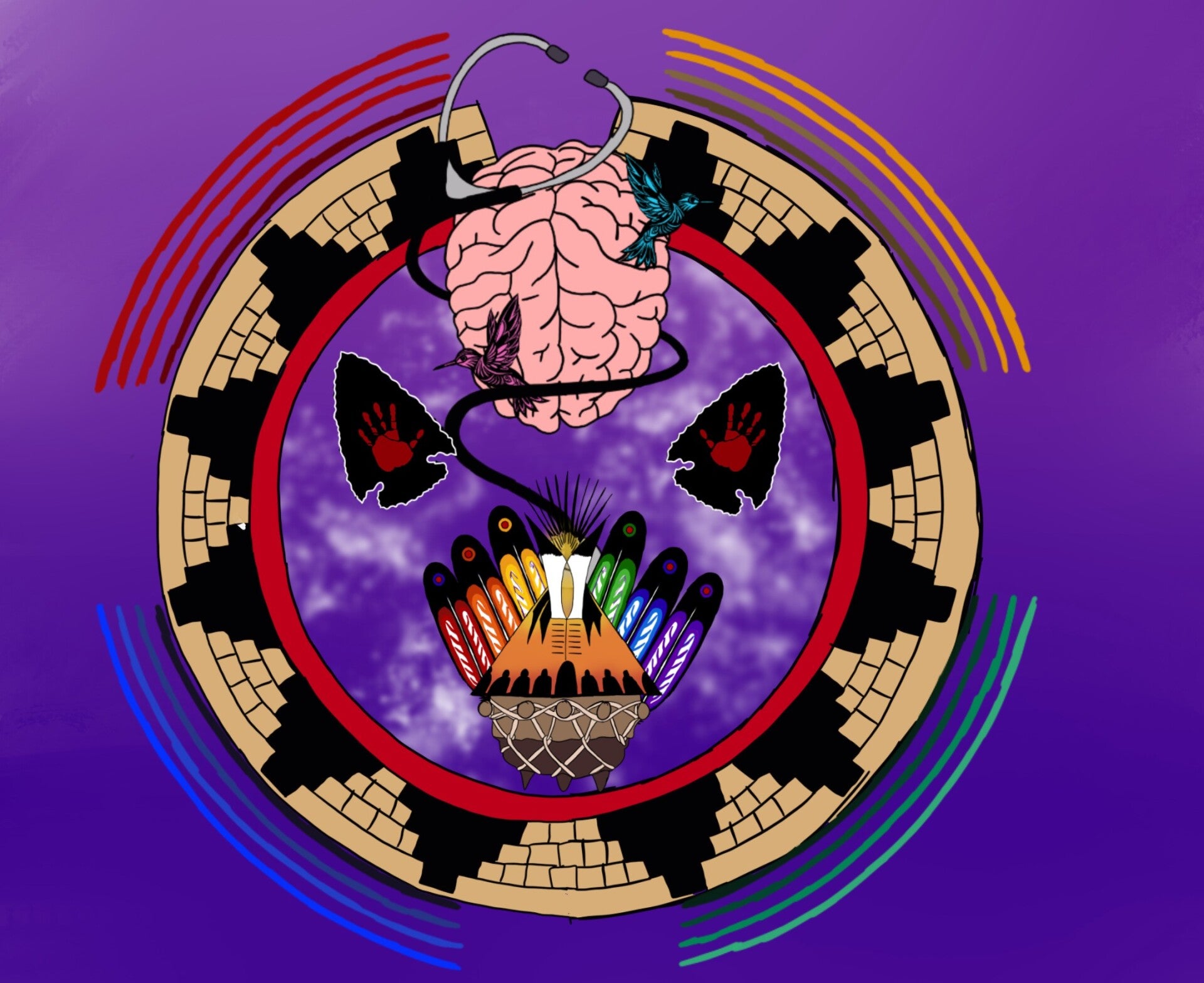
Our Guiding Principles and Tools
Our work is grounded in respect for Diné language, culture, and elders. Every tool on this website is designed to support understanding, dignity, and compassionate care when talking about Alzheimer's Disease.
Our Guiding Principles
- Respect for Elders
- We center elders in everything we do, using the language that honors their dignity, the teachings, and their lived experiences.
- Cultural Grounding
- We frame memory and thinking changes through Diné values, including Hózhó (balance and harmony), rather than stigma or blame.
- Clarity Through Language
- We believe clear, respectful words help families and caregivers communicate with confidence and care.
- Accessibility for All
- Our tools are designed to be simple, readable, and easy to use for elders, families, and professionals alike.
- Community Informed Care
- We recognize that understanding grows from shared knowledge, kinship, and lived experiences.
Our Tools
- Alzheimer's Translation Tool
- Translate Alzheimer's-related terms into Navajo (Dine Bizaad) with clear meaning, phonetic pronunciation, and cultural explanation.
- Navajo English Glossary
- A curated glossary of memory, thinking, and care-related terms, organized for quick reference and learning.
- Pronunciation Guide
- Audio and phonetic tools to support confident and respectful use of Navajo words.
- Cultural Context Resources
- Explanation that helps families understand Alzheimer's through Dine worldview, emphasizing balance, compassion, and respect
- Care & Learning Resources
- Practical guidance and educational materials for families, caregivers, and healthcare workers

Alzheimer’s & Cognitive Health Glossary
Translate complex Alzheimer's terms into Diné Bizaad with cultural context, aiding communication and comprehension.

Understanding Alzheimer's
Access comprehensive, culturally sensitive resources to learn about Alzheimer's disease and its impact.

Resources for families
Find essential support, guidance, and community resources for caregivers and family members affected by Alzheimer's.

Our journey to Hózhǫ́
This project began close to home.
Like many families, we saw how hard it can be to talk about memory changes and Alzheimer's disease -- especially when the world's available resources don't reflect Dine ways of understanding the mind, balance, and care for elders. Too often, the language feels clinical, confusing, and distant from lived experiences.
Our journey grew from listening to elders, families, caregivers, and community members who shared a common need: a respectful way to explain Alzheimer's in Navajo, using words that feel familiar, gentle, and grounded in the Dine way of life. We wanted to create a resource that supports conversation--not fear-- and understanding.
This website was created to help families speak with clarity and compassion, and to walk also side their loved ones with dignity and love.
K'e doo k'ehgo niha anu'aanii nitsahakees da (Through kinship and respect, we learn how to care for one another).
This project continues to grow as a living resource--guided by community knowledge, cultural respect, and the belief that language is a powerful form of care.